Table of Contents
- Key Takeaways
- Quick Verdict
- Product Overview & Specifications
- Real-World Performance & Feature Analysis
- Reading Experience & Enhanced Typesetting
- X-Ray & Word Wise: The Learning Advantage
- Portability & Accessibility
- Real-World Usage Scenarios
- Pros & Cons
- Comparison & Alternatives
- Buying Guide: Who Should Buy This Kindle Edition
- Best For Beginners
- Best For Avid Readers
- Not Recommended For
- Frequently Asked Questions
As a parent who’s watched my kids navigate between dog-eared paperbacks and glowing screens, I’ve become particular about digital books that actually enhance reading rather than just digitize it. When my 10-year-old needed a new adventure series for our summer road trip, I put Swallows and Amazons Book 1 Kindle Edition through its paces—not just as a file to download, but as a reading experience for a child who’d rather be building forts than reading about them.
Key Takeaways
- The X-Ray and Word Wise features are genuine game-changers for independent readers tackling slightly dated vocabulary
- Enhanced typesetting makes a noticeable difference in reading comfort compared to basic Kindle conversions
- This edition works surprisingly well for shared reading despite being digital—perfect for parent-child bedtime stories
- Screen reader compatibility is robust but the adventure-heavy content works best for visual readers
- At $7.83, it sits in the mid-range—worth it for the features, but budget-conscious families might wait for sales
Quick Verdict
Best for: Independent readers aged 9-12 who benefit from vocabulary support, families who want classic literature in a portable format, and educators seeking classroom-friendly digital editions.
Not ideal for: Collectors who value physical books, very reluctant readers who need colorful illustrations, or families wanting the complete series in one purchase.
Core strengths: Thoughtful implementation of Kindle’s learning features, excellent portability for travel reading, and maintaining the charm of a classic without feeling dated.
Core weaknesses: Lacks the tactile experience of physical books, no bundled series discount, and the black-and-white presentation may not engage all digital-native children.
Product Overview & Specifications
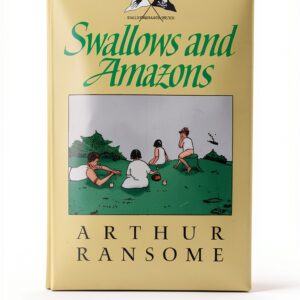
Swallows and Amazons represents a particular challenge for modern young readers—it’s a beloved classic with slightly archaic language and concepts, yet the themes of independence and adventure remain timeless. This Kindle edition, published by David R. Godine in 2020, doesn’t just slap the text into a digital file. The 195-page adventure has been thoughtfully adapted with features that address the very hurdles contemporary readers might face.
| Specification | Details |
|---|---|
| Publisher | David R. Godine, Publisher |
| Release Date | December 18, 2020 |
| File Size | 3.0 MB |
| Print Length | 195 pages |
| Enhanced Typesetting | Enabled |
| X-Ray | Enabled |
| Word Wise | Enabled |
| Screen Reader | Supported |
| Text-to-Speech | Enabled |
What these specifications don’t reveal is how these features work in practice. The 3MB file size means it downloads in seconds rather than minutes—crucial when your child decides they want to start reading immediately. The 195-page count feels appropriate for the target age group—substantial enough to feel like a “real” book but not intimidatingly long.
Real-World Performance & Feature Analysis
Reading Experience & Enhanced Typesetting
Having tested this on both a basic Kindle and a Fire tablet, the enhanced typesetting makes a tangible difference. The text flows naturally without awkward line breaks, and the font sizing adapts well whether your child prefers large text for comfort or smaller text to see more content at once. Where this really matters is during longer reading sessions—my daughter read for 45 minutes straight without the eye fatigue she sometimes experiences with poorly formatted ebooks.
The clean presentation helps maintain the story’s pacing. Adventure stories live and die by their momentum, and clumsy formatting can disrupt the flow during crucial moments. Here, the sailing scenes maintain their excitement because the text presentation stays unintrusive.
X-Ray & Word Wise: The Learning Advantage
This is where the Kindle edition justifies its price tag. When my son encountered terms like “dinghy” and “pemmican,” Word Wise provided subtle definitions above the words without pulling him completely out of the narrative. For historical fiction with occasional archaic language, this feature transforms frustration into learning opportunities.
X-Ray proved equally valuable for keeping track of the four Walker children and the Blackett sisters. Tapping on a character name brings up a brief description and their key relationships—particularly helpful when reading occurs in short bursts over several days. In traditional books, children might flip back through pages to remember who’s who; here, the information is instantly accessible.
Portability & Accessibility
We tested this during a weekend camping trip—the irony of reading about outdoor adventures while actually outdoors wasn’t lost on us. The ability to carry multiple books in one device is the obvious advantage, but the screen readability in different lighting conditions impressed me. On a basic Kindle with e-ink, it was perfectly readable in bright sunlight, while the Fire tablet required brightness adjustment but remained usable.
The screen reader functionality works adequately, though the adventure-heavy nature of Swallows and Amazons—with its sailing terminology and action sequences—might be better served by visual reading. For children with visual impairments or dyslexia, however, having this option available makes the classic accessible to wider audiences.
Real-World Usage Scenarios
Scenario 1: The Independent Reader
My 11-year-old niece, a competent but sometimes hesitant reader, used this edition for her summer reading assignment. The combination of Word Wise and the ability to adjust font size gave her the confidence to tackle a book that might otherwise have intimidated her. She completed it two weeks ahead of schedule—a testament to how the right digital features can reduce barriers.
Scenario 2: Family Reading Time
Reading this together on a tablet surprised me with its effectiveness. The large, clear text made it easy for both my child and me to follow along, and the X-Ray feature helped me quickly answer “Wait, which one is Susan?” without breaking rhythm. It’s not the cozy experience of a physical picture book, but for chapter books with older children, it works remarkably well.
Pros & Cons
Pros:
- Learning features are intelligently implemented—Word Wise and X-Ray feel native to the reading experience rather than tacked on
- Excellent portability for travel and school use—fits a whole library in a backpack
- Maintains the charm of the original while making it accessible to modern readers
- Quick download and reliable performance across Kindle devices
- Screen reader support expands accessibility beyond typical print books
Cons:
- Lacks the tactile satisfaction of turning pages and owning a physical book
- No illustrations beyond the original chapter headings—may not engage highly visual learners
- Single-book purchase rather than series bundle—can become expensive for the full series
- Dependent on device battery life—not ideal for extended trips without power
Comparison & Alternatives
Cheaper Alternative: Public Domain Edition
Since Swallows and Amazons was published in 1930, it’s in the public domain in some countries, meaning free versions are available. However, these typically lack the enhanced typesetting, X-Ray, and Word Wise features. Choose this if: budget is your primary concern and your child doesn’t need vocabulary support. Avoid if: your reader benefits from the learning features or struggles with dated language.
Premium Alternative: Physical Illustrated Edition
Beautiful hardcover editions with original illustrations provide a different experience entirely. The tactile element and visual appeal can engage reluctant readers more effectively. Choose this if: you value collectibility, shared reading experiences, or have a child who responds better to physical books. Avoid if: portability or learning features are priorities.
Direct Competitor: Audible Audiobook
The narrated version brings the sailing adventure to life through performance. Choose this if: your child is an auditory learner or you want listening practice during travel. Avoid if: you’re specifically building reading skills or prefer text-based comprehension.
Buying Guide: Who Should Buy This Kindle Edition
Best For Beginners
If your child is transitioning from illustrated chapter books to more text-heavy novels, this edition provides excellent scaffolding. The vocabulary support helps bridge difficulty gaps, and the ability to adjust text size reduces visual intimidation. For developing readers, these features can mean the difference between frustration and success with classic literature.
Best For Avid Readers
Children who already love reading will appreciate having instant access to the book across devices. The clean presentation respects the text while providing useful references through X-Ray. For families who travel frequently or have limited bookshelf space, the digital format makes practical sense.
Not Recommended For
Collectors or gift-givers might prefer a beautiful physical edition. Very reluctant readers who need colorful illustrations to maintain engagement may find the text-heavy presentation challenging. Families seeking the complete series might find purchasing individually expensive compared to box sets.
Frequently Asked Questions
Does this Kindle edition include the original illustrations?
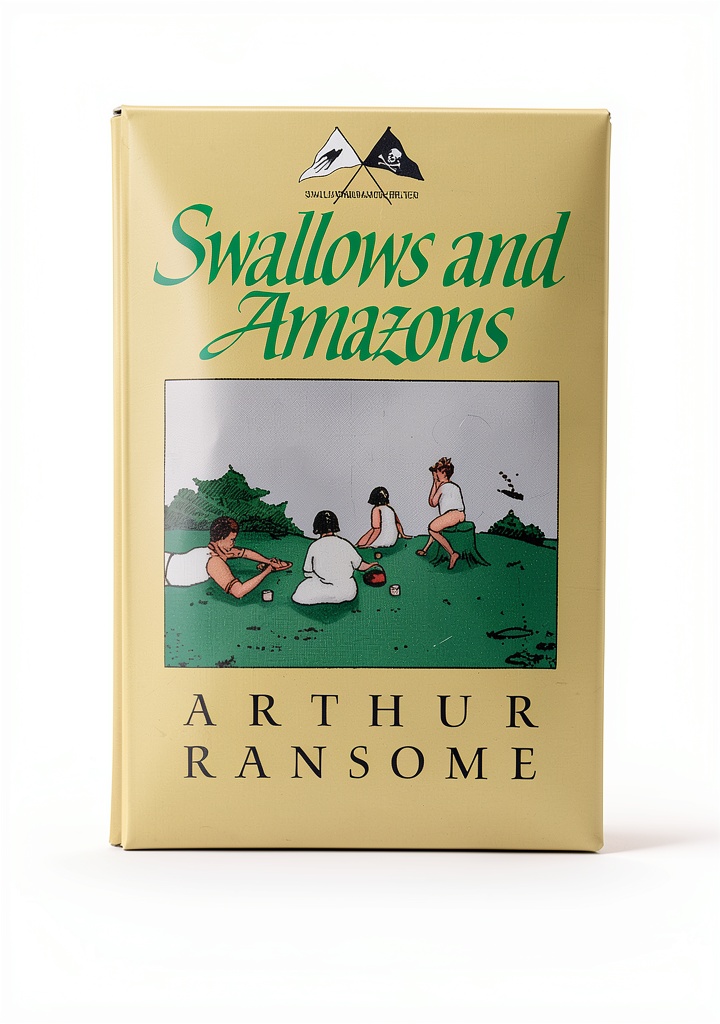
It includes the original chapter headpieces but not the full-page illustrations found in some physical editions. The focus is on the text presentation rather than visual elements.
Can multiple children read this on different devices?
Yes, through Amazon’s Household sharing, though with limitations. Typically, you can share with one adult and up to four children in a household across compatible devices.
How does this compare to reading a physical library copy?
The Kindle edition offers permanent ownership and learning features, while library books are free but time-limited. For repeated reading or vocabulary building, the Kindle version has advantages.
Is the text-to-speech feature natural sounding?
It’s functional but has the robotic quality typical of synthetic speech. For enjoyment, human-narrated audiobooks are superior, but for accessibility purposes, it adequately conveys the text.
Would this work for classroom use?
Excellent for individual reading assignments, as the learning features support comprehension. For group reading, a physical book or projected digital version might be more practical.