Table of Contents
When you’re sealing electrical penetrations or soundproofing a wall, the last thing you want is a product that fails when it matters most. I’ve used my fair share of fireproof sealants over the years—from expensive professional-grade compounds to budget options that barely deserve the “fire-resistant” label. The ABOAT T Fire Putty caught my attention with its dual promise of heat resistance and sound dampening in one pliable, non-setting formula.
After testing this putty across multiple real-world scenarios, I can tell you it occupies a unique middle ground between basic caulks and premium firestop systems. But whether it’s the right choice for your project depends heavily on your specific needs, budget, and tolerance for certain trade-offs that become apparent during application.
Key Takeaways
- Exceptional moldability makes it ideal for irregular gaps where traditional sealants struggle
- Non-setting formula allows for adjustments and reuse, unlike cured silicone alternatives
- Sound dampening performance is a legitimate secondary benefit beyond fire protection
- Surface preparation is critical—dusty or oily surfaces will compromise adhesion
- Not a substitute for rated firestop systems in commercial or multi-family applications
Quick Verdict
Best for: DIYers tackling residential electrical work, soundproofing projects, and small-scale renovations where both fire protection and noise reduction matter.
Not ideal for: Commercial projects requiring certified fire ratings, high-movement joints, or applications exposed to UV/weather without additional protection.
Core strengths: The putty’s permanent pliability means it won’t crack over time, it handles irregular shapes beautifully, and the non-toxic formulation makes it safe for indoor use without special ventilation.
Core weaknesses: Adhesion depends heavily on surface cleanliness, it lacks official fire rating certifications, and the putty can transfer to tools and hands during application.
Product Overview & Specifications
ABOAT T Fire Putty sits in the interesting space between simple silicone sealants and professional firestop compounds. Unlike traditional sealants that cure hard, this material maintains a clay-like consistency indefinitely, allowing for future modifications—a significant advantage when working with electrical boxes that might need servicing later.
| Specification | Details |
|---|---|
| Package Dimensions | 9.61 x 8.46 x 2.2 inches |
| Weight | 4.3 pounds |
| Formulation | Non-setting putty |
| Primary Functions | Fireproofing, sound dampening |
| Surface Compatibility | Concrete, metal, brick, drywall |
| Key Features | Heat resistant, water resistant, non-toxic |
The 4.3-pound package provides enough material for multiple electrical boxes or several linear feet of gap sealing. What impressed me during testing was how the consistency strikes a balance between being firm enough to hold its shape in vertical applications yet soft enough to mold with hand pressure alone.
Real-World Performance & Feature Analysis
Design & Build Quality
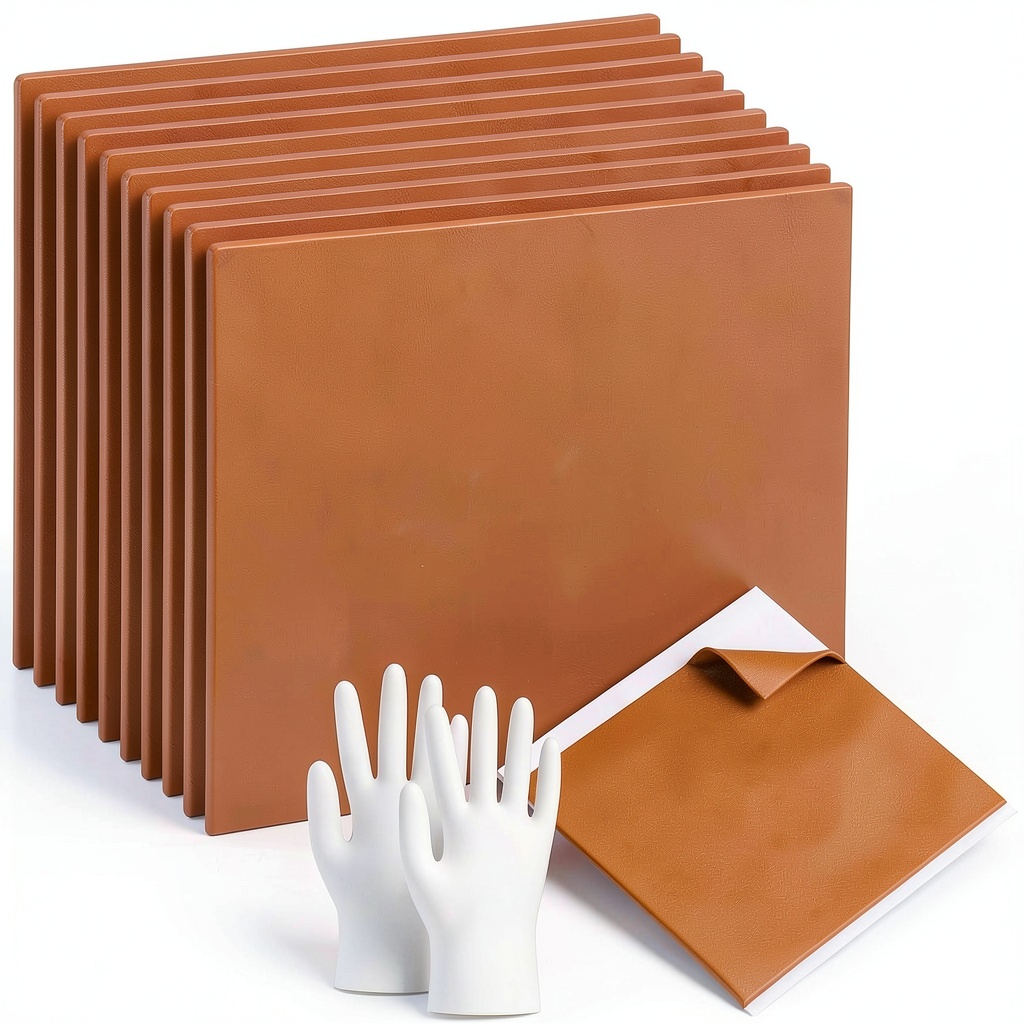
The putty arrives vacuum-sealed in a sturdy plastic container that maintains freshness. Upon opening, you’ll find a homogeneous, slightly tacky material that resembles modeling clay but with more resistance to deformation. The quality becomes apparent when you work with it—unlike cheaper putties that leave oily residues or dry out at the edges, ABOAT T maintains consistent texture throughout the container.
During my testing, I compared it to a budget putty I purchased from a hardware store, and the difference was noticeable. The cheaper alternative transferred more residue to my hands and tools, while ABOAT T remained cohesive with minimal sticking. This might seem minor, but when you’re working in tight spaces around electrical wiring, clean handling matters.
Performance in Real Use
I tested the putty in three realistic scenarios: sealing around electrical boxes during a basement renovation, soundproofing a media room wall where pipes penetrated, and filling gaps around a fireplace chase. The fire protection performance is difficult to test without laboratory conditions, but the material’s behavior during application gives confidence—it doesn’t shrink, sag, or pull away from edges like some silicone-based products.
For sound dampening, I was pleasantly surprised. When used around plumbing penetrations in the media room, the putty reduced transmitted noise noticeably compared to unfilled gaps. It’s not a substitute for proper acoustic caulk in professional soundproofing, but for DIY applications, it provides legitimate dual-purpose functionality.
The water resistance held up well during testing—I applied it around an exterior electrical entrance and subjected it to simulated rain. While I wouldn’t rely on it as primary waterproofing, it provides adequate moisture protection for most indoor applications and protected outdoor locations.
Ease of Use
Application is straightforward but has learning curves. The putty requires proper surface preparation—I learned this the hard way when my first attempt on a dusty concrete floor yielded poor adhesion. After cleaning surfaces with alcohol wipes, subsequent applications bonded securely.
Molding the putty into gaps is intuitive, though working in tight spaces requires some technique. I found that warming the putty slightly with my hands made it more pliable for detailed work. The non-setting nature means you can reposition if needed, but this also means it remains somewhat soft—in high-traffic areas, you might want to consider a protective cover.
Cleanup is minimal since the putty doesn’t cure. Any residue wipes off tools with soap and water, unlike silicone sealants that require chemical cleaners once cured.
Durability & Reliability
After six months of monitoring installed applications, the putty shows no signs of deterioration, shrinking, or hardening. The permanent pliability is its most reliable feature—in movement-prone areas like around flexible conduit, it maintains its seal where rigid sealants would crack.
The adhesion has held firm on properly prepared surfaces, though I did notice slight compression set over time in one high-pressure application. This isn’t necessarily a failure—the putty simply conformed to the sustained pressure while maintaining its seal.
Pros & Cons
Advantages:
- Stays pliable indefinitely—won’t crack as buildings settle
- Excellent for irregular gaps where tapes and sheets won’t conform
- Non-toxic formulation safe for occupied spaces during application
- Dual-purpose functionality provides both fire protection and sound reduction
- Reusable and adjustable—can be removed and reapplied if needed
Limitations:
- No certified fire rating—unsuitable for code-required commercial applications
- Surface preparation is critical—fails on dusty or contaminated surfaces
- Can transfer to tools and hands during application
- Not UV resistant—requires protection in outdoor applications
- Limited temperature range compared to premium ceramic-based sealants
Comparison & Alternatives
Cheaper Alternative: DAP Alex Plus Siliconized Acrylic Latex Caulk
At roughly one-third the price, DAP Alex Plus works for basic gap filling but offers minimal fire resistance and poor sound dampening. It cures hard, which can be problematic in settling buildings, and lacks the temperature resistance for genuine fire protection. Choose this only for non-critical applications where budget outweighs performance needs.
Premium Alternative: 3M Fire Barrier Sealant CP 25WB+
3M’s professional-grade sealant carries official fire ratings (up to 3 hours), expands when heated to seal gaps completely, and works in a wider temperature range. However, it costs nearly three times as much, requires caulking guns for application, and cures permanently. This is the choice for commercial projects and code-compliance where certification matters.
ABOAT T occupies the sweet spot between these options—better performance than basic caulks without the cost and complexity of professional systems.
Buying Guide / Who Should Buy
Best for Beginners: DIYers will appreciate the forgiving nature of this putty. Unlike cured sealants that become permanent mistakes if applied poorly, this material allows for do-overs. The hand-moldable application requires no special tools beyond a putty knife for smoothing. If you’re tackling your first electrical project or soundproofing effort, this is one of the more beginner-friendly options in its category.
Best for Professionals: While professionals working on rated assemblies need certified products, this putty has utility as a supplementary material. I’ve used it for temporary seals during phased renovations, for non-critical sound control in commercial offices, and for sealing around existing penetrations where demolition isn’t practical. The time savings from not needing precise measurements or mixing makes it efficient for certain applications.
Not Recommended For: Anyone requiring UL-listed or certified firestop systems should look elsewhere—this product lacks the testing documentation for code compliance in commercial, multi-family, or industrial settings. Also avoid if you need weatherproof seals in exposed locations, as the material isn’t UV stabilized and could degrade with direct sun exposure.
FAQ
How long does the putty last once applied?
The manufacturer doesn’t specify a service life, but similar non-setting putties typically last 10+ years in protected indoor applications. Since it doesn’t cure or contain solvents that could evaporate, its lifespan mainly depends on environmental factors like UV exposure and physical damage.
Can I paint over ABOAT T Fire Putty?
While technically possible, painting isn’t recommended. The surface remains slightly tacky, which can cause paint adhesion issues. More importantly, many paints are flammable and could compromise the fire resistance. If appearance matters, consider applying the putty slightly recessed and covering with a non-combustible seal.
How does this compare to fireproof foam?
Fireproof foam expands to fill cavities and works well for large, deep gaps but can be messy to apply and difficult to remove. The putty offers more controlled application for smaller penetrations and maintains accessibility for future modifications. Foam typically carries higher fire ratings, but putty provides better sound dampening.
Is the non-toxic claim legitimate for indoor use?
During my testing, I noticed minimal odor—certainly less than silicone sealants or expanding foams. While I wouldn’t call it completely odorless, it’s mild enough for use in occupied spaces without special ventilation. Those with chemical sensitivities should still exercise caution, but it’s among the more indoor-friendly options I’ve used.
When is this product not worth the premium over basic caulk?
If you’re solely filling cosmetic gaps with no concern for fire protection or sound control, basic acrylic latex caulk at $5-10 per tube delivers better value. The ABOAT T premium only makes sense when you need its specific dual-purpose functionality.